The gaming industry feels huge because these three companies shape so much of what players experience. Sony, Microsoft, and Nintendo set expectations for hardware, games, and long-term support. Looking at how each performs helps show where the industry is heading and what players can reasonably expect from their preferred platform.
How the Big Three Shape Modern Gaming
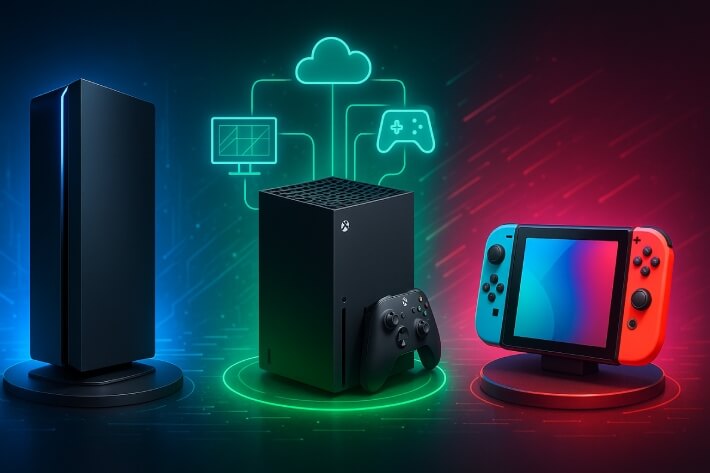
Each company takes a different approach to hardware, game libraries, and online features. Those choices influence what players buy and how developers design new titles. Understanding their strengths and weaknesses gives a clearer picture of the current landscape.
Before diving into the details, it helps to explore the main categories that define their performance. These include hardware strategy, first-party games, online services, and long-term ecosystem support. Each area affects players differently, so the grades aim to reflect practical impact rather than marketing.
Hardware Strategy
Sony, Microsoft, and Nintendo design their systems with different goals in mind. Sony focuses on high-end performance and cinematic games, pushing its consoles toward technical power. This strength often brings visually ambitious titles but also results in pricier hardware.
Microsoft emphasizes ecosystem flexibility. Xbox consoles work closely with PC, cloud features, and subscription services, giving players more ways to access the same content. Although raw power is important, Microsoft prioritizes convenience and cross-platform play.
Nintendo takes a different path. Instead of competing on graphical strength, it builds hardware around unique ideas. The hybrid design of the Switch shows how the company prioritizes portability and accessibility over technical specs. This approach appeals to a broad audience but limits third-party performance.
First-Party Game Libraries
Exclusive games shape how players perceive each platform. Sony invests heavily in narrative-driven titles from well-known studios. These games often define console identity and keep players loyal.
Microsoft’s approach has shifted in recent years, with studio acquisitions expanding its lineup. The company aims for variety, from shooters to role-playing games, though release schedules can feel inconsistent.
Nintendo remains the most reliable in this category. Its franchises, Mario, Zelda, Pokémon, and others, maintain strong popularity and consistent releases. These titles often set industry standards for accessible design and gameplay innovation.
Online Services and Subscriptions
Online ecosystems play a major role in today’s gaming experience. Sony offers a structured tiered subscription system that combines cloud saves, multiplayer access, and a rotating library of older games. It functions well but can feel segmented.
Microsoft leads in this area with Game Pass, which gives players access to a large catalog for a predictable subscription fee. Its integration across console and PC adds flexibility, making it one of the most consumer-friendly services in gaming.
Nintendo keeps things simpler and more limited. Its online service supports multiplayer and provides access to classic games, but it lacks the depth and reliability of its competitors. For many players, it works well enough but doesn’t exceed expectations.
Final Grades for Sony, Microsoft, and Nintendo
Taking all major categories into account reveals where each company excels and where improvement would help players most. These grades reflect the current balance between innovation, usability, and overall consumer experience.
Before breaking down each company’s performance, consider these grades as snapshots rather than permanent labels. Hardware generations shift, services evolve, and priorities change. The goal is to capture how each platform currently stands in relation to player expectations.
Sony: Grade B+
Sony delivers excellent first-party games and strong hardware performance. Its consoles remain popular among players who enjoy visually rich, story-driven titles. However, subscription strategy and backward compatibility feel less consistent than competitors. A more unified ecosystem would elevate the overall experience, but its strengths keep it solidly above average.
Microsoft: Grade A-
Microsoft positions itself as the most flexible option. Game Pass remains a standout service, offering value across console and PC. Hardware is powerful, and ecosystem continuity is one of the best in the industry. The main challenge is maintaining a steady flow of high-impact exclusives. When major releases land, the platform shines, but gaps in the schedule hold it back slightly.
Nintendo: Grade B
Nintendo’s creativity and long-standing franchises continue to carry immense weight. Its games appeal to a wide audience and often shape industry trends. However, its online services and hardware limitations place it behind the other two in technical capability. What it lacks in performance, it compensates with charm and accessibility. A stronger online system would make a noticeable difference.
A Snapshot of Today’s Gaming Landscape
Sony, Microsoft, and Nintendo are always trying to do something really cool that will satisfy the needs of the customers. These diversities are the creators of different arcadia of various games. Visioners of high quality graphic visuals and other creative forms get value of each platform ‘s weird experiences, which paves the trail for the way of what gaming in modern times should be like.